

Showing posts with label Argentina. Show all posts
Showing posts with label Argentina. Show all posts
Argentina on Horseback
Argentinian Gauchos

Gaucho Crafts- Silver and Leather: There's a strong tradition of working precious metals, such as silver, into fine belts and buckles, historically the gaucho's way of carrying his wealth with him was originally in the ornate silver rastras and buckles which are still used today over leather belts or to tie fajas (woven cloth belts). Silver spurs, stirrups and the fine silver decoration on saddles are all extraordinary examples of traditions dating from the early 18th century. The gaucho facón (an all purpose knife used especially for cutting his asado) is made with an elaborately wrought silver handle. Another example is the traditional mate vessel, often just a hollowed out gourd, can be made by Gauchos with an exquisitely worked piece of silver. Leather was always important for making all the items associated with horses, and obviously widely available, the complexity of the traditional bridles, belts and straps is impressive. Long thin strips of leather are woven into wide plaits, or trensas and used still for all parts of horse bridlery, as well as more decorative pieces.


Patagonia Glacier


just a note on scale: a large housing project could fit in this fissure. After a long meditation on that, I actually saw huge internal walls collapse inside this fissure. Perspective....

how does this Texan say glacier... "WOW"
Buenos Aires, fileteado painting


I literally had 12 hours in BA before my flight to Chile so I took a 4 hour Fileteado painting workshop. Super fun!
In his book, Filete porteño, Alfredo Genovese describes what anthropologist Norberto Cirio gave as the main formal features of fileteado:
A high degree of stylization
The preponderance of lively colors
The use of shading and highlighting to create the illusion of depth
The preferred use of a Gothic font style or highly detailed letters
The recurrence of symmetry
The framing of each composition when it is finished
The efficient use of available space
The symbolic conceptualization of many of the images representedFileteado originated in cart factories at the beginning of the 20th century. The source of this style is credited to some of the many Italian immigrants working in these factories.
They decorated carts according to the owner's economic situation, preferences, and schedule. As time went on, trucks replaced carts and were still painted with the fileteado style. Privately owned buses also sported the bright colors and designs. Imagery of the day began to appear in compositions and included Carlos Gardel, Our lady of Lujan, horses, sports figures, pretty ladies, and more.
The art form was in danger of dying out in the 1970's when fileteado was prohibited by law. Not only was it banned to decorate buses with fileteado, but they were even painted over. Some argue, however, that this may have been what kept the style alive. Fileteadores sought out other spaces to show their work including newsstands, buildings, store entrances, bars, posters, tins, plates, and more.
sheep shearing- Patagonia Argentina

The Gaucho.

The Estancia.

The herding of the flock.


Dinner.
Ps: I've been eating primarily vegetarian again.
Art in Argentina
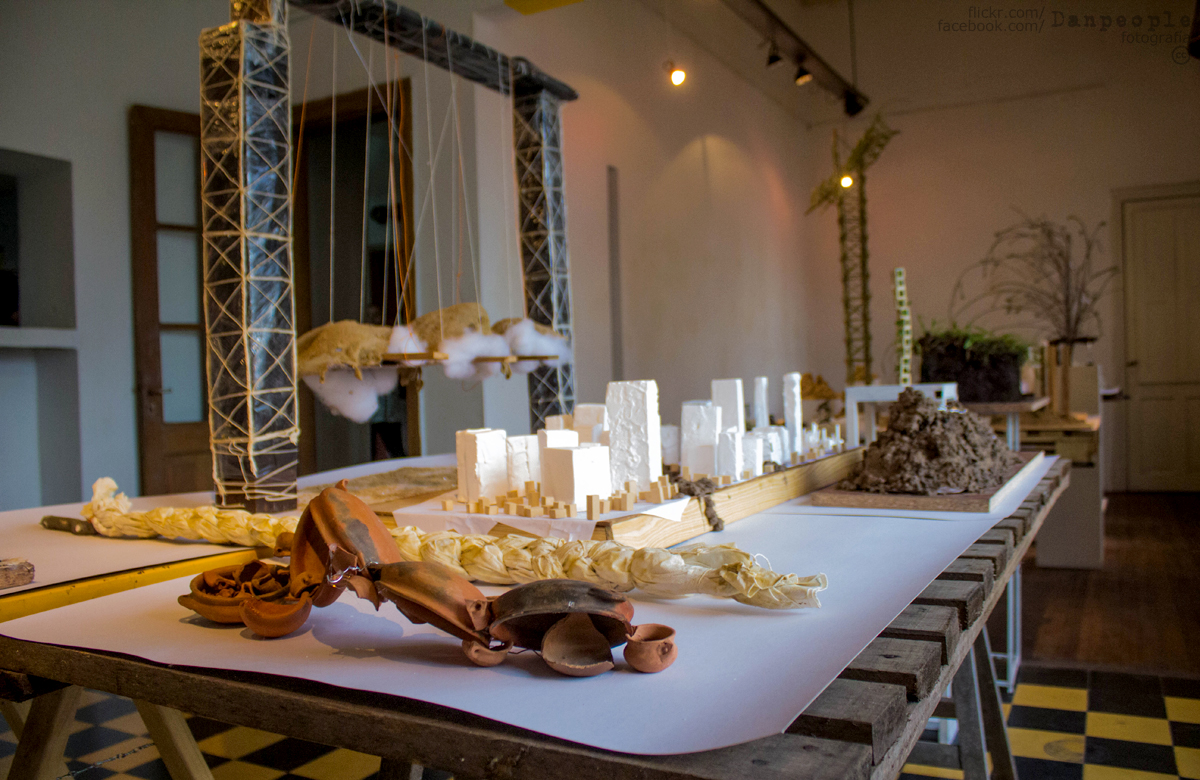
many of you have wondered what's been keeping me too busy to blog... well, I spent a hard working month in Argentina putting together an exhibition of sculptural sketches of ideas inspired by South America.
http://www.residenciacorazon.com.ar
art in argentina- details

sadly I didn't get very good documentation of the sculptures, but here are some thumbnails that show some of the work.

art in argentina-details

I was very inspired and only wish I had more time to work on some of the many other ideas I had planned.
art exhibition in Argentina

Subscribe to:
Posts (Atom)